How to Landscape Your Backyard
Whether you have a small backyard or a sprawling garden, backyard landscaping can transform your outdoor space into a beautiful and functional retreat. Your backyard should be more than just a patch of grass; it’s an extension of your home where you relax, entertain, and enjoy nature. Good landscape design brings together plants, hardscape, and functional features to create a space that looks amazing and works perfectly for how you live.
The key to successful backyard design is thinking through what you want before you start digging. A well-planned landscape considers everything from where the sun hits to how people will move through the space. You’ll want to balance beauty with practicality, creating outdoor rooms that serve different purposes while flowing together naturally. The good news? You don’t need to be a professional to create a backyard you’ll love spending time in.
Assessing Your Backyard Before You Start
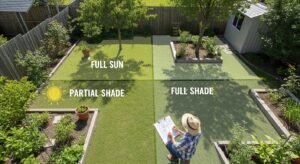
Start by really looking at what you’re working with. Walk around your backyard at different times of day and notice where the sun shines and where shadows fall. Some spots might get full sun all day, while others stay shady; this matters hugely for plant selection later. Check your soil by digging down a few inches to see if it’s sandy, clay-heavy, or somewhere in between.
What to evaluate in your backyard:
- Sunlight patterns: Track which areas get full sun, partial shade, or full shade throughout the day
- Soil quality: Test if your soil is sandy, clay, or loamy, and check drainage
- Water drainage: Note where water pools after rain and where it flows naturally
- Existing features: Identify trees, shrubs, lawn areas, and structures you want to keep
- Problem areas: Mark spots with poor drainage, dead zones, or eyesores to address
Take photos from different angles and sketch out a rough map of your space. Note the good stuff (pretty views, healthy trees) and the problem areas (muddy patches, dead zones, eyesores you need to hide). This backyard landscape concept becomes your starting point. Measure the space, too; you’ll need those numbers when planning garden beds and pathways. Understanding your backyard’s unique conditions helps you make smarter choices about everything that comes next.
Setting Goals and Design Principles
Before you choose a single plant or paver, figure out how you want to use your backyard. Do you dream of quiet mornings with coffee in a peaceful garden? Maybe you need an entertainment space for summer barbecues, or you want to grow your own vegetables. Your backyard goals shape every decision you’ll make.
Think about the basic design principles that make any landscape look intentional. Balance means your backyard shouldn’t feel lopsided; if you have a big deck on one side, balance it with substantial garden beds or a focal point on the other. Speaking of focal points, every good backyard needs something that draws your eye, maybe a beautiful tree, a striking pergola, or an eye-catching water feature.
Core design principles for backyard landscaping:
- Balance: Distribute visual weight evenly across your space
- Focal points: Create one or more eye-catching features that anchor different areas
- Flow: Design natural pathways and transitions between zones
- Functionality: Ensure every element serves a purpose while looking great
- Proportion: Size elements appropriately for your space (don’t overwhelm a small yard with massive features)
Flow matters more than you might think. Your backyard flow design determines how naturally people move through the space. Pathways should lead somewhere meaningful, not just wander. Create clear zones for different activities, a patio for dining, a lawn for playing, and garden beds for growing. When these areas connect smoothly, your whole backyard feels cohesive and well-planned.
Creating Your Backyard Landscape Plan
Now comes the fun part: turning your ideas into an actual plan. Start by dividing your backyard into zones based on how you’ll use them. Maybe you need a seating area near the house, a play area for kids in the open lawn, some garden beds along the fence, and a quiet corner for reading. Draw these zones on your sketch.
Essential zones to consider:
- Entertaining area: Patio or deck with seating and dining space
- Garden beds: Flower, vegetable, or mixed planting areas
- Lawn or play space: Open area for activities and recreation
- Privacy zones: Quiet corners for reading or relaxation
- Utility areas: Storage, compost bins, and service access (screen these off attractively)
Next, think about how these zones connect. Your backyard pathways become the threads that tie everything together. Will you use stepping stones through the garden, a gravel path to the shed, or pavers leading to a back patio? These transitions between spaces should feel natural and inviting. Consider width too; main paths need room for two people to walk side by side comfortably.
Create a simple backyard landscape blueprint by sketching your layout to scale. You don’t need fancy software; graph paper works fine. Mark where you want permanent features like patios, decks, and garden beds. Show where trees and large shrubs will go. Include utilities you can’t move, like air conditioning units or utility boxes, and plan screening plants around them. This garden layout becomes your roadmap for installation.
You can apply similar design principles to your front yard. Check our guide on How to Landscape Your Front Yard for inspiration.
Choosing Plants for Your Backyard
Picking the right plants makes or breaks your landscape. Start with the big players, trees and shrubs form your backyard’s structure. Choose trees based on their mature size (check the tag!), what they offer through the seasons, and whether they’ll thrive in your conditions. Fruit trees pull double duty, giving you shade plus fresh apples or peaches. Shrubs fill in the middle layer, providing privacy, structure, and year-round interest.
Trees & Shrubs
- Shade trees: Oaks, maples, or magnolias for large yards
- Ornamental trees: Japanese maples, dogwoods, or redbuds for smaller spaces
- Fruit trees: Apples, peaches, cherries for edible landscaping
- Foundation shrubs: Boxwoods, hydrangeas, or azaleas for structure
- Privacy screening: Arborvitae, holly, or bamboo for living walls
Flowers & Perennials
Flowers and perennials bring colour and personality. Native plants adapted to your area need less water and care than exotic varieties, plus they support local pollinators like bees and butterflies. Mix perennials that come back each year with some annuals for pops of seasonal colour. Think about bloom times so you have flowers from spring through fall.
- Spring bloomers: Tulips, daffodils, peonies
- Summer stars: Coneflowers, black-eyed Susans, daylilies
- Fall favourites: Asters, sedums, mums
- Pollinator magnets: Bee balm, salvia, milkweed, lavender
Groundcover & Edibles
Don’t forget the ground level. Traditional lawn works for play areas, but you might want groundcover or lawn alternatives in other spots. Creeping thyme, clover, or low-growing sedges need less mowing and water than grass. For edible gardens, dedicate a sunny spot to vegetables and herbs. Even a small raised bed can produce plenty of tomatoes, lettuce, and basil.
Consider how plants work together. Tall plants belong in the back, shorter ones in the front. Mix different textures, fine grass-like leaves next to bold hostas, delicate flowers beside sturdy shrubs. Choose a colour scheme instead of buying one of everything at the garden centre. Your backyard pollinator-friendly garden will thrive when you select diverse plants that bloom at different times and provide food for beneficial insects all season.
Hardscape Elements and Functional Features
Hardscaping gives your backyard structure and usable living space. A well-designed patio or deck becomes an outdoor room where you cook, eat, and hang out. Think about size, you’ll need space for furniture plus room to move around. Materials matter too. Stone pavers create a different vibe than stamped concrete or natural flagstone. Wood decks feel warm and traditional but need more maintenance than composite alternatives.
Patios, Decks & Pathways
Popular hardscape materials:
- Natural stone: Flagstone, slate, or bluestone for timeless elegance
- Pavers: Concrete or brick in countless patterns and colours
- Gravel: Budget-friendly for informal pathways
- Wood or composite: Warm, versatile decking materials
- Stamped concrete: Mimics stone or brick ata lower cost
Pathways do more than get you from point A to B. They guide visitors through your garden and define separate areas. Match pathway materials to your home’s style. Formal houses might call for brick, while a cottage garden looks great with irregular stepping stones surrounded by creeping plants. Make sure main paths are wide enough and well-lit for safety.
Structures & Features
Vertical structures add height and create interesting spaces. A pergola over your seating area provides partial shade and supports climbing vines. A gazebo offers a sheltered retreat. Even a well-designed fence becomes a backdrop for plants while marking boundaries and adding privacy. Think about how these elements frame views and create focal points.
Popular backyard structures:
- Pergolas: Partial shade and architectural interest
- Gazebos: Fully covered retreat spaces
- Arbours: Entry points that support climbing plants
- Fencing: Privacy, security, and design backdrop
- Retaining walls: Manage slopes while creating planting terraces
Water & Fire Elements
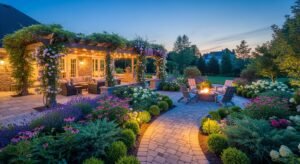
Water features and fire elements bring movement and ambience. A simple pond attracts wildlife and creates soothing sounds. Waterfall ideas range from dramatic cascades to subtle bubbling rocks. Fire pits extend your backyard season into cool evenings and create natural gathering spots. Add comfortable seating nearby, good lighting for evenings, and maybe even an outdoor kitchen if you love to entertain. These backyard hardscape ideas transform your yard into a true outdoor living space.
Sustainable Backyard Landscaping
Building healthy soil pays off for years. Start with a soil test to know what you’re working with, then add compost and organic amendments to improve structure and nutrients. Good soil holds moisture better, meaning you water less. Mulching around plants suppresses weeds, regulates soil temperature, and slowly feeds the soil as it breaks down. Keep a compost bin going to turn yard waste and kitchen scraps into black gold for your garden.
Soil Health & Composting
Building better soil:
- Test your soil: Know your pH and nutrient levels before amending
- Add compost: Work in 2-3 inches of finished compost annually
- Mulch generously: Apply 2-4 inches around plants (not touching stems)
- Avoid tilling: Protect soil structure and beneficial organisms
- Compost at home: Turn kitchen scraps and yard waste into free fertiliser
Water Conservation
Water conservation should be built into your design from the start. Install an irrigation system that delivers water where plants need it without waste. Drip irrigation puts water directly at the root zones and uses way less than sprinklers. Group plants by water needs; don’t put thirsty vegetables next to drought-tolerant natives. Consider rainwater harvesting with rain barrels to capture runoff from your roof.
Smart watering strategies:
- Drip irrigation: Delivers water directly to roots with minimal waste
- Rain barrels: Harvest free water from your roof
- Hydrozoning: Group plants with similar water needs together
- Mulch heavily: Reduces evaporation and keeps soil moist longer
- Water deeply, less often: Encourages deep root growth and drought tolerance
Native Plants & Wildlife
Choose drought-tolerant landscaping for areas that don’t need to stay lush. Native plants evolved in your climate, so they handle local conditions without babying. They need less water, fewer pesticides, and minimal fertiliser once established. These plants also support local wildlife by providing the right food and habitat. Create a pollinator-friendly garden with flowers that feed bees, butterflies, and hummingbirds. Add a water source like a shallow bird bath. Leave some “messy” areas with leaf litter and dead stems where beneficial insects overwinter.
This eco-friendly approach creates a backyard that works with nature instead of fighting it. You’ll spend less time and money on maintenance while supporting biodiversity and conservation. It’s a win for you and the environment.
Seasonal Upkeep and Maintenance Tips
Even low-maintenance landscaping needs some care to look its best. Each season brings different tasks. Spring means planting new additions, dividing overcrowded perennials, and getting your irrigation system running. It’s also prime pruning time for many shrubs; cut out dead wood and shape plants before they put on new growth.
Seasonal maintenance checklist:
Spring:
- Plant new trees, shrubs, and perennials
- Divide overcrowded perennials
- Prune spring-blooming shrubs after they flower
- Start your irrigation system and check for leaks
- Apply fresh mulch to garden beds
Summer:
- Water deeply during dry spells
- Deadhead flowers to encourage more blooms
- Weed regularly while the weeds are small
- Mow lawn high (3-4 inches) to shade roots
- Monitor for pests and diseases
Fall:
- Best time to plant trees and shrubs
- Divide summer-blooming perennials
- Rake leaves or mulch them into the lawn
- Clean and winterise irrigation systems
- Apply fall mulch for winter protection
Winter:
- Plan next year’s garden projects
- Prune dormant trees (except spring bloomers)
- Protect tender plants from frost
- Keep pathways clear and safe
- Order seed catalogues and dream
Build your soil year-round by continuing to add compost and organic matter. Healthy soil means healthier plants that resist pests and diseases naturally. If you’re into organic gardening, avoid chemical fertilisers and pesticides. Instead, use compost tea, encourage beneficial insects, and choose disease-resistant plant varieties.
Set up a sustainable maintenance routine that fits your schedule. Maybe you garden for an hour every weekend, or you tackle bigger projects monthly. The key is consistency; regular, small efforts prevent overwhelming catch-up sessions.
Inspiration: Backyard Landscaping Styles
Your backyard style should reflect your personality and complement your home. Modern backyard design features clean lines, simple plant palettes, and minimalist hardscaping. Think concrete pavers, architectural plants like ornamental grasses, and uncluttered spaces. It’s sleek and low-maintenance.
Popular backyard styles:
- Modern/Minimalist: Clean lines, limited plant palette, architectural elements, concrete and metal
- Rustic/Natural: Weathered wood, native plants, informal layouts, natural stone
- Cottage Garden: Abundant flowers, winding paths, vintage details, romantic charm
- Tropical: Bold foliage, bright colours, lush layering, water features
- Mediterranean: Drought-tolerant plants, gravel, terra cotta, warm tones, herbs
- Zen/Japanese: Carefully placed rocks, minimal plants, gravel or sand, bamboo, contemplative spaces
- Formal: Symmetrical design, clipped hedges, geometric beds, structured pathways
- English Garden: Mixed borders, traditional flowers, manicured lawn, classic elegance
Rustic backyard landscaping embraces natural materials and a relaxed feel. Use weathered wood, stone, and native plants. Add vintage garden tools as decor and let plants spill over pathways a bit. Cottage-style backyards overflow with flowers in cheerful chaos, rose-covered fences, packed perennial beds, and charming details at every turn.
Tropical backyard gardens work even in non-tropical climates if you choose cold-hardy plants with a tropical look, big-leafed cannas, hardy bananas, and elephant ears. Add bold colours, water features, and lush layered planting. Mediterranean landscaping uses drought-tolerant plants like lavender and rosemary, gravel paths, terra cotta pots, and warm colour schemes. It’s perfect for hot, dry climates.
Small Spaces & Budget Ideas
Even small backyard landscaping can pack a style. Use vertical space with trellises and wall planters. Choose multi-purpose plants and furniture. Mirrors and light colours make spaces feel bigger.
Backyard landscaping on a budget:
- Start with free materials: Reclaimed wood, divided perennials from friends, and stone from your property
- Build in phases: Complete one area beautifully instead of half-finish everything
- Grow from seeds: Much cheaper than buying established plants
- DIY simple projects: Mulch, basic garden beds, container plantings
- Shop end-of-season sales: Score major discounts on plants and materials
DIY vs Hiring Professionals
Plenty of backyard landscaping projects work great as DIY projects. Planting garden beds, building simple raised beds, laying mulch, and installing basic pathways are totally doable with some research and elbow grease. Start small if you’re new to this. Plant one garden bed beautifully instead of half-finished the whole yard. Watch videos, read guides, and don’t be afraid to ask questions at your local nursery.
Good DIY projects:
- Planting flowers, shrubs, and small trees
- Building raised garden beds
- Installing mulch and edging
- Creating simple stepping stone paths
- Planting container gardens
- Basic lawn care and maintenance
When to hire professionals:
- Grading and drainage corrections
- Irrigation system design and installation
- Large hardscape projects (patios, retaining walls, decks)
- Tree removal or major pruning
- Electrical work for outdoor lighting
- Gas line installation for fire features
Some jobs really benefit from professional expertise though. Grading and drainage issues can cause expensive problems if handled incorrectly. Irrigation systems need proper design and installation. Hardscaping like patios, retaining walls, and decks requires skill to do safely and make them last. Big tree work should always go to certified arborists; it’s dangerous and easy to damage trees permanently.
How do you find good help? Ask neighbours with nice yards who did their work. Check online reviews carefully. Get multiple quotes and ask to see photos of completed projects. For instance, if you’re in North Carolina, searching for “Landscapers in Charlotte, NC” helps you find local experts who understand your regional climate and plants.
Think about your time, skills, and budget. Maybe you design everything and install plants yourself, but hire out the patio. Or a landscaper creates the plan, and you execute it in phases. There’s no one right answer; do what makes sense for your situation.
Conclusion
Designing your backyard landscaping comes down to good planning, smart plant choices, functional hardscapes, sustainable practices, and realistic maintenance. Start by understanding your space and clarifying your goals. Create zones that serve different purposes and connect them with thoughtful pathways. Choose plants that thrive in your conditions while supporting pollinators and local wildlife.
Balance beauty with function through well-designed patios, decks, and outdoor features. Build healthy soil, conserve water, and work with nature instead of against it. Maintain your landscape with seasonal care that keeps everything looking great without taking over your life. You don’t have to do everything at once. Start small with one area or project. Get that right, then move to the next. Each step builds toward the backyard you envision. Trust the process and enjoy watching your outdoor space transform into a retreat you’ll use and love for years to come.