
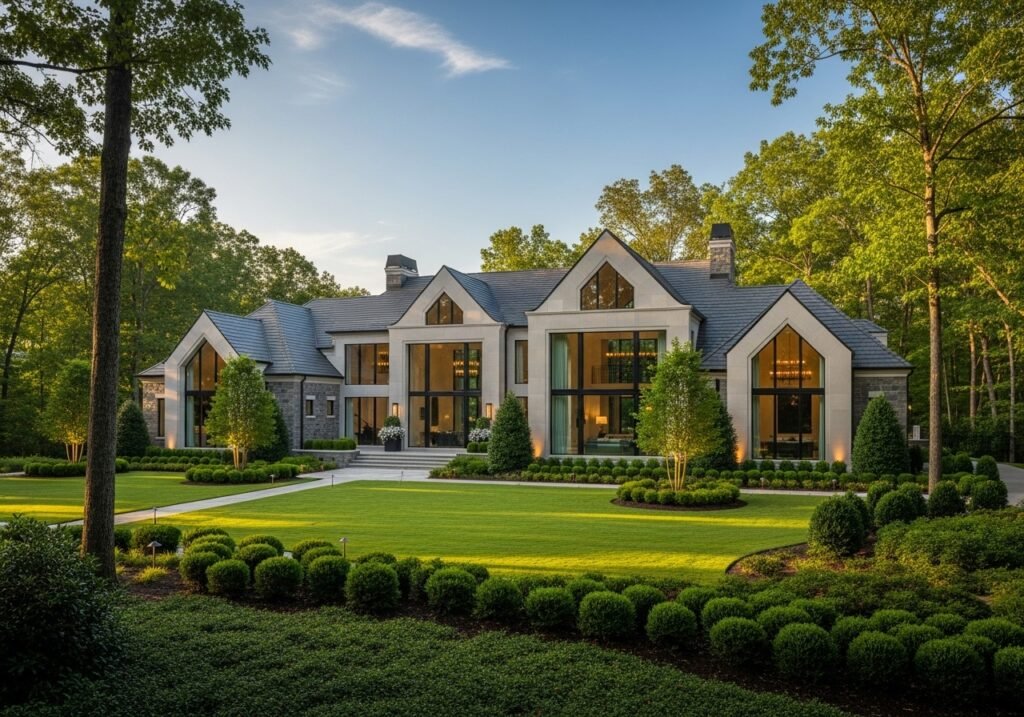
Existing Site Conditions
Existing trees and shrubs, lawn, structures, access, slope, soil condition, sun and shade, erosion, and surface-water movement can all influence the design.
A successful landscape starts with a clear plan for how the property should look, function, and be maintained. Landscape design can coordinate lawns, planting beds, patios, walkways, privacy, lighting, and other outdoor features before installation.
Residential landscape design in Charlotte can range from improving one part of a yard to coordinating several connected upgrades. Planning helps establish what belongs where, how features relate, and which work should come first.
Landscapers in Charlotte NC is an independent landscaping information and service-request website. Design and landscaping work is performed by independent providers where available.
Landscape design organizes how the major parts of an outdoor property work together before installation. A plan may consider existing trees and structures, lawn and planting areas, patios, walkways, privacy, sun and shade, slope, soil, runoff, lighting, maintenance, and circulation. Larger projects may also be divided into priorities or phases. Because design processes and deliverables vary, confirm exactly what is included in the proposed scope before approving work.
Landscape planning brings the major parts of a property into one coordinated layout instead of treating each improvement separately. A consultation may review existing conditions and how the homeowner wants to use the space, then coordinate lawn, planting design, hardscape, circulation, lighting, privacy, irrigation considerations, and maintenance.
Existing trees and shrubs, lawn, structures, access, slope, soil condition, sun and shade, erosion, and surface-water movement can all influence the design.
Planning may coordinate planting beds, lawn areas, walkways, patios, seating areas, screening, circulation, and transitions between different parts of the property.
Lighting, irrigation considerations, maintenance expectations, project phases, and budget priorities can help keep the design realistic over time.
| Design Area | What May Be Considered | Why It Matters |
|---|---|---|
| Property layout | Existing features, access, dimensions, circulation | Helps organize usable space |
| Planting areas | Sun, shade, soil, mature plant size | Helps plants fit the site |
| Lawn areas | Use, slope, shade, maintenance | Helps determine where turfgrass fits |
| Patios & walkways | Location, grade, movement between spaces | Connects outdoor areas |
| Privacy | Screening, sight lines, plant placement | Helps shape how spaces feel |
| Lighting | Paths, entrances, patios, focal points | Supports nighttime visibility and use |
| Water movement | Slope, low areas, runoff | Helps identify site concerns before installation |
| Maintenance | Mowing, pruning, mulching, irrigation | Keeps the design realistic over time |
A landscape plan does not always mean redesigning the entire property. It can also be useful when improving one section while making sure the change fits the rest of the yard.
For a broader view of related outdoor services, explore Charlotte landscaping services.
A landscape plan is most valuable when several outdoor decisions are connected or when existing property conditions should be understood before installation begins.
A patio can affect circulation, planting-bed dimensions, lawn area, lighting, and water movement, while turf replacement may involve shade, compaction, tree roots, and use. Coordinating these decisions early can prevent one improvement from creating another problem.
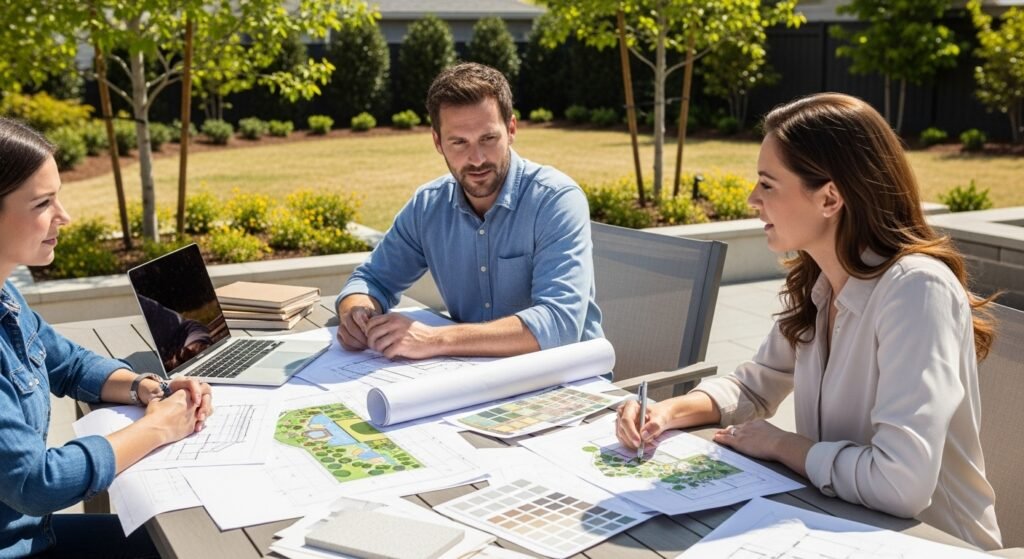
Front yards and backyards often need different design priorities because they serve different purposes.
Front-yard planning often focuses on how the home, entrance, lawn, planting, and walkways work together.
Near structures, mature plant size and spacing matter more than installation-day size because shrubs and trees can eventually crowd walls, windows, or walkways.
Backyards often involve a broader mix of uses and can require stronger coordination between activity areas.
A backyard does not need every possible feature. Good planning prioritizes the spaces that matter most and how they will actually be used.
A useful landscape plan should make the proposed layout easier to understand before major installation decisions are made. Landscape design services in Charlotte can vary considerably in scope and level of detail.
The design may identify existing trees, shrubs, lawn, walkways, patios, fences, structures, slopes, and access zones so new features can fit around what should remain.
A proposed layout may show lawn and planting zones, patios, walkways, screening, focal points, transitions, and circulation routes.
Planting design may consider trees, shrubs, perennials, grasses, groundcovers, screening, mature dimensions, spacing, sun, soil moisture, and a plant palette or schedule where provided.
Patios, paver walkways, retaining walls, steps, planting, and lawn areas should be coordinated before construction begins.
Where relevant, a plan may identify lighting zones, irrigation considerations, and maintenance access around paths, patios, planting beds, and trees.
A larger design can separate essential site work, priority improvements, installation phases, and optional enhancements.
Do not assume every landscape-design proposal includes the same deliverables. When comparing a landscape designer in Charlotte, ask exactly what is included in the proposed scope and design fee.
Not every project requires every deliverable. A planting refresh may need much less documentation than a full backyard redesign. The important question is: What exactly is included in the design fee being quoted?
Share your property details, photographs, project goals, and preferred timeline to request contact regarding your landscape-design project.
Landscape design in Charlotte should respond to the property’s soil, shade, slope, existing trees, and rainfall patterns. Attractive features can still perform poorly when site conditions are ignored.
Soil condition influences root development, turfgrass performance, and infiltration. Compacted areas can restrict roots and slow water movement.
A single property can contain full sun, partial shade, dense tree canopy, and building shadows. These differences affect plant choice, turfgrass performance, moisture, and maintenance.
Slope can affect erosion, retaining-wall needs, walkways, planting, patios, lawn care, and runoff. Watch for washed soil, wet low areas, water crossing paving, or flow toward structures.
Mature trees affect shade, turfgrass, planting choices, walkways, patios, grade changes, and available root-zone space.
The City of Charlotte provides local guidance on landscaping practices that can improve rainfall infiltration and reduce runoff. Review the City’s stormwater-friendly yard guidance.
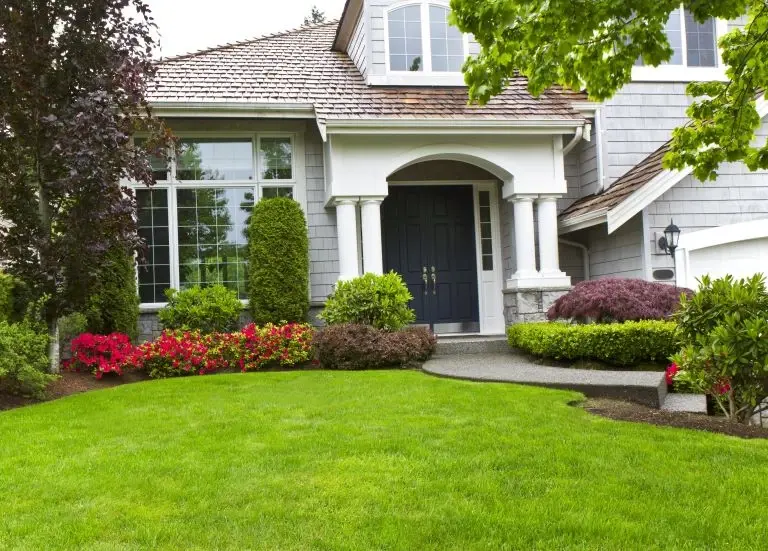
Plant selection should be based on site conditions and mature growth as well as appearance. Trees, shrubs, perennials, ornamental grasses, groundcovers, evergreen screening, and other plants can serve different functions within a landscape.
Planning for mature size can reduce overcrowding, blocked walkways, and unnecessary pruning as plants grow.
Full-sun and shade-tolerant plants have different needs, and moisture tolerance varies. Site conditions should guide the plant palette.
Evergreens can provide year-round screening, while deciduous plants add seasonal interest. Growth rate, pruning, irrigation, and leaf drop affect maintenance.
Plants may frame an entrance, create privacy, define outdoor spaces, soften hardscape, fill shaded areas, stabilize selected slopes, reduce large turf areas, or create focal points. For more ideas on plant selection, water use, and site-appropriate planning, read our guide to sustainable landscaping and plant-selection strategies.
A lower-maintenance landscape usually starts with better layout and plant choices rather than simply reducing the amount of landscaping.
Maintenance is influenced by turfgrass area, plant growth, bed layout, edging, groundcovers, mulch, pruning, irrigation, and routine-care access.
A property with many small grass sections around complicated bed edges may require more mowing and trimming than a simpler layout. Fast-growing shrubs placed in limited spaces can also create unnecessary pruning work.
Small and awkward outdoor spaces benefit from careful planning because every feature competes for limited room.
A compact-yard plan may consider seating, narrow walkways, vertical screening, smaller plants, multifunctional spaces, limited lawn, shade, storage, sight lines, and access.
Narrow side yards, shaded corners, irregular property lines, and small patios may also require different strategies from the main backyard.
Hardscape should be coordinated with the rest of the landscape because patios, walkways, retaining walls, and steps affect circulation, grade, planting space, and surface-water movement.
Explore hardscaping services in Charlotte →
Landscape lighting is easier to coordinate when fixture locations are considered alongside walkways, patios, entrances, planting, and other outdoor features.
Lighting may be planned around paths, steps, entrances, patios, planting beds, trees, and gathering areas. Beam spread, glare, transformer capacity, low-voltage wiring routes, maintenance access, and actual illumination needs can influence the plan.
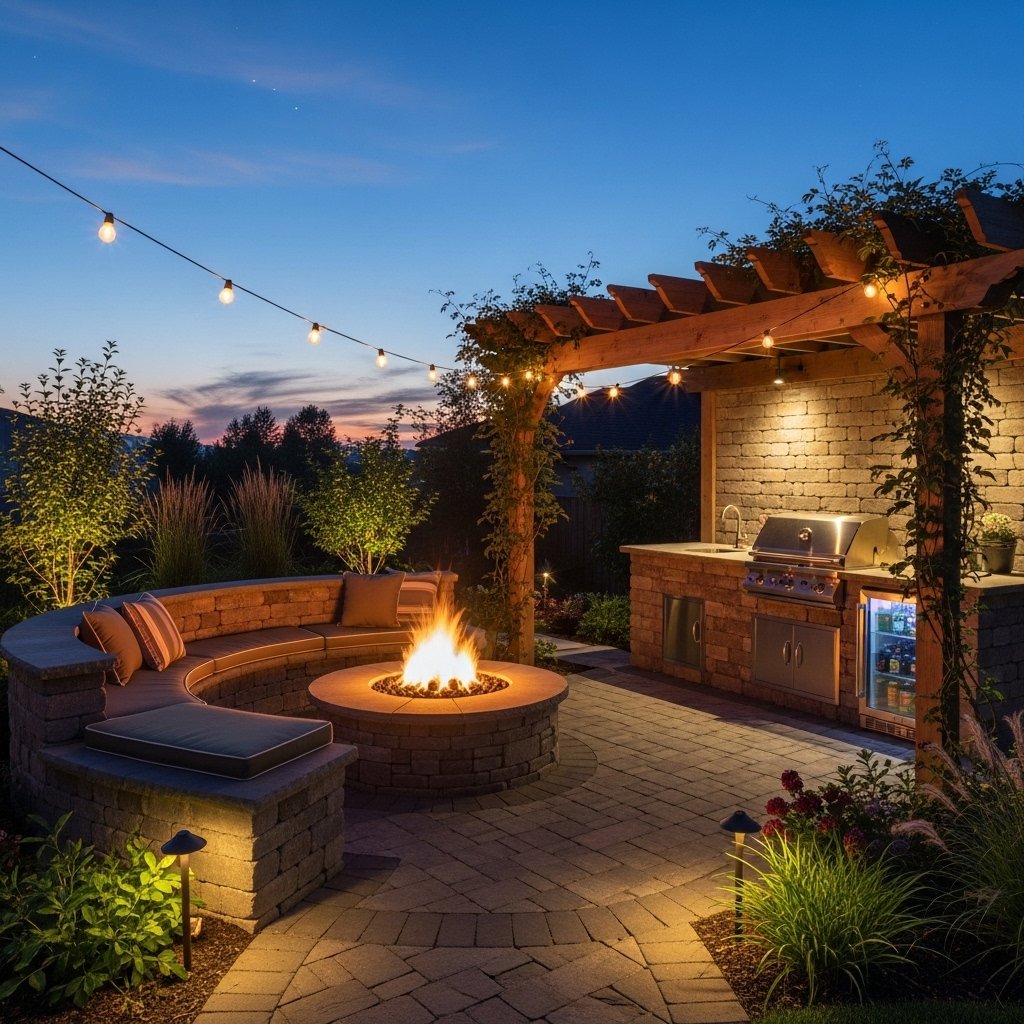
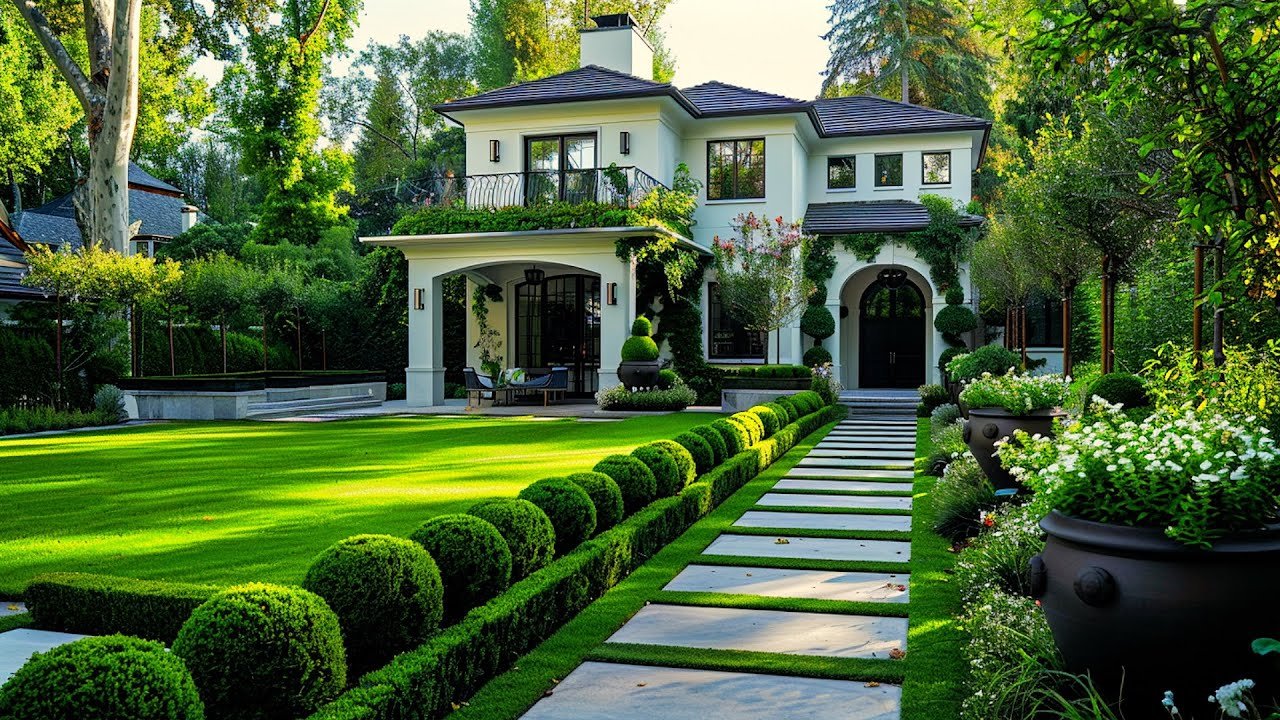
Recurring bare areas, thinning turf, heavy shade, compacted ground, or sections that remain wet can affect the overall landscape layout.
Before deciding how much lawn should remain, consider how the space is used, whether the turf receives enough light, how slope affects mowing, and whether surrounding trees or planting beds compete for space.
Some designs keep more lawn for recreation; others reduce turf in favor of planting, groundcover, hardscape, or lower-maintenance areas.
If the project also involves damaged turf, recurring bare areas, sod replacement, or broader lawn renovation, explore lawn care and maintenance options in Charlotte.
Landscape design cost can vary significantly because a simple planning consultation and a detailed multi-area design require very different amounts of work. Rather than assuming one fixed price, compare what each proposed design scope actually includes.
| Cost Variable | Why It May Affect the Design Scope |
|---|---|
| Project area | Larger spaces generally require more planning. |
| Existing conditions | Slopes, mature trees, and site constraints may need additional consideration. |
| Number of features | Coordinating planting, patios, lighting, lawn, and other features adds complexity. |
| Planting detail | A detailed plant palette requires more planning than a general layout. |
| Level of detail | A simple concept and a detailed plan are different deliverables. |
| Revisions | Additional requested changes may affect design time. |
| Visualization | 2D or 3D concepts may be offered differently by provider. |
| Project phasing | Multi-stage projects can require additional coordination. |
When comparing landscape design services in Charlotte, compare scope as well as price; a lower fee may include fewer measurements, revisions, drawings, or planting details.
For broader budgeting information, read the Charlotte landscaping cost guide.
Landscape planning decides what the property should become; landscape installation is the work required to implement the agreed plan. Keeping those stages clear helps prevent overlap between design decisions and construction work.
| Landscape Planning & Design | Landscape Installation |
|---|---|
| Determines what should go where | Implements the agreed plan |
| Organizes lawn, planting, and outdoor areas | Prepares the site and installs materials |
| Helps establish plant and feature selections | Places plants, sod, mulch, and other materials |
| Coordinates hardscape and lighting concepts | Completes installation or construction |
| Establishes project priorities | Follows the approved project scope |
| May divide work into phases | Completes agreed phases |
Some projects may move from planning into installation with the same provider, while others may separate the two stages. For the implementation side of the project, see landscape design and installation in Charlotte.
Preparing a few details before speaking with a provider can make the initial design conversation more productive.
Prepare the property address or ZIP code, approximate area being redesigned, whether the project involves the front yard or backyard, and approximate dimensions if known.
Take wide property views plus close-ups of problem areas, and identify trees, shrubs, patios, walkways, fencing, lawn, or lighting you want to keep.
Note overgrown beds, bare lawn, damaged walkways, poor privacy, awkward patio layouts, excessive lawn, difficult slopes, or unused areas.
Consider entertaining, relaxation, children’s play, pet use, gardening, privacy, curb appeal, lower maintenance, or better circulation.
Inspiration photos can communicate preferences, but the final design still needs to fit the property’s space, light, soil, and use.
Share desired timing, an approximate budget range if known, essential improvements, and optional items that could potentially be completed later.
The request process starts with the property, the problem you want to solve, and the result you want from the design.
Share the ZIP code, yard size, project area, and known site conditions.
Describe goals such as privacy, planting, patios, lower maintenance, lighting, or better circulation.
Include photos, preferred timing, and a budget range if known.
The request may be shared where a suitable independent provider is available.
Confirm scope, deliverables, revisions, pricing, installation options, timeline, and separate costs.
A strong comparison focuses on what the plan solves, what it includes, and how realistic it is for the property. Written details make different provider scopes easier to compare.
Ask which problems the design addresses and which existing trees, plants, patios, walkways, or lawn areas will remain.
Ask how sun, shade, mature plant size, slope, surface-water movement, existing roots, and access influenced the layout.
Ask about mowing, pruning, irrigation, seasonal cleanup, and whether lower-maintenance alternatives were considered.
Ask which elements are essential first, what can be delayed, and whether future phases will still fit the overall plan.
Confirm materials, drawings, lighting or irrigation considerations, revisions, deliverables, and whether installation pricing is separate.
Ask who should be contacted if the project scope changes and how additional design or installation costs are approved.
Many landscape problems begin when individual features are chosen without considering how the entire property works together.
Mature size, sunlight, soil moisture, spacing, and maintenance matter as much as color when deciding whether a plant fits long term.
Tree canopy and root zones can affect turfgrass, planting, patios, walkways, soil disturbance, and sunlight.
Patios and walkways change surface conditions, so location and grade should be planned to avoid creating difficult runoff patterns.
Large turf areas, complicated edges, fast-growing shrubs, and demanding plants can create more work than expected.
Adding lighting after planting and hardscaping can limit fixture placement and wiring routes; coordinating it earlier creates more options.
Replacing turf or plants repeatedly may not solve the real problem when shade, compaction, roots, slope, or water movement are contributing factors.
These guides explore specific decisions that can help you plan a more practical landscape, including maintenance, plant selection, small-space design, sustainability, and project budgeting.
Learn how turf, plant growth, materials, irrigation, and layout influence long-term yard care.
Explore low-maintenance ideas →Explore plant selection, soil, runoff, and planning choices for a more site-appropriate landscape.
Read the sustainable landscaping guide →See ideas for compact backyards, narrow spaces, shade, and layouts where every square foot matters.
Explore small-yard ideas →See how labor, materials, preparation, lawn work, hardscaping, and complexity can influence landscaping budgets.
Read the cost guide →Landscape design may cover site observations, layout, lawn and planting areas, patios, walkways, privacy, lighting, irrigation considerations, slope, maintenance, and project phasing. Exact deliverables vary by provider.
There is no single price for every project. Cost can depend on property size, complexity, features, detail level, revisions, visualization, and whether installation planning is included.
Not every small project needs a detailed plan. Planning becomes more valuable when improvements are connected, site constraints exist, or several features must be coordinated.
Planning determines layout, priorities, and design direction. Installation prepares the site and puts agreed plants, lawn, hardscape, and other materials in place.
Yes. Patios and walkways can be planned with lawn, planting, circulation, and slope before construction moves into the hardscaping phase.
Yes. Planning fixture locations alongside paths, patios, entrances, planting, and outdoor-use areas can coordinate lighting with the wider landscape.
Yes. Where relevant, planting zones, water needs, lawn areas, access, and maintenance can be considered during planning. Confirm actual irrigation-design or installation capability with the provider.
Often, yes. A larger plan can separate essential work, priority improvements, and optional enhancements into stages. Practical phasing depends on the design and provider.
A better outdoor project starts with understanding the property before deciding what to install. Whether you want to redesign a backyard, improve a front yard, reorganize planting and lawn areas, add privacy, coordinate a patio, plan lighting, reduce maintenance, or prepare several improvements at once, begin with a clear description of how you want the property to function.
Share your ZIP code, photographs, approximate yard size, existing conditions, preferred timeline, and budget range if known. Your request may be shared with an available independent provider serving the Charlotte area.
Provider availability, design deliverables, qualifications, pricing, insurance, warranties, installation services, and other terms should be confirmed directly with the provider before proceeding.